
Okay I admit it - I fell for a flashy kickstarter campaign and a cool, albeit gimmicky, idea: a digital camera loaded with film simulations and a film-advance lever to give you a more authentic vintage photography experience. I backed the kickstarter as an early backer without doing any real research, and if I had I would be $350 richer today. (That’s at least 2 dozen eggs in this economy)
a rich history, marred by modern cash grabs
One quick google search for Yashica will bring up well-known and revered cameras like the TLR, Electro 35, and the FX-3 - cameras still coveted to this day, decades after their release. But what might require a bit more digging to uncover is the history of MODERN Yashica - a company that was on the brink of collapse and has only been kept alive by investment companies passing a well-known name around their books.
Today, Yashica operates as more of a cash grab company than a camera company in my opinion, with one over-promised and under-delivered kickstarter campaign after another, each with their own unique gimmicks.
First it was interchangeable “film canisters” on a digital camera, now it’s “Your first digital film simulation camera”
The gimmick is just that - a gimmick
When I backed this project, I knew full well that a digital camera with a film-advance lever was a gimmick, but I thought if it could produce at least decent photos, then it could be a good just-for-fun camera. Maybe the film advance lever would make me slow down and be more mindful when taking photos, just like when I’m shooting actual film.
Props to the Yashica marketing team, because that’s exactly how they marketed it - and I bought it. Hook, line, and sinker.
And I knew I had made a mistake as soon as I opened the box.
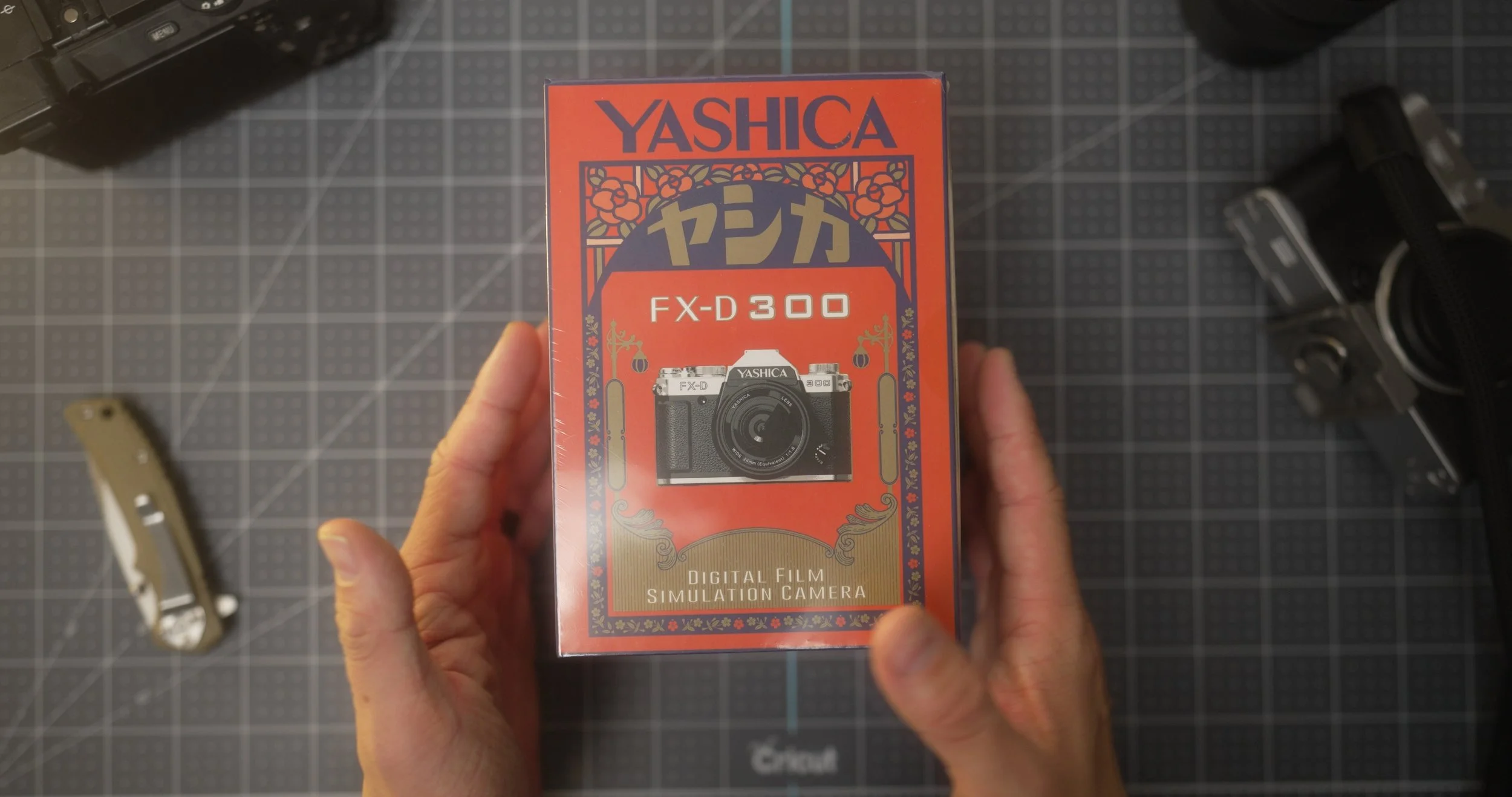
unboxing the Yashica FX-D 300’s book-themed box
CHeap and empty, just like its promises
From the minute you pick up this camera, you realize just how cheap it feels.
It sounds hollow, almost cavernous, with the plasticky rattle of the camera strap rings clipped to the corners reverberating through the entirety of the camera body as if it was saying “echo! echo… echo… echo…..”
Then you start clicking the buttons with are somehow too hard to press and feel like mashed potatoes at the same time.
And then you might flip out the screen, only to find that it doesn’t articulate, only flips on the horizontal axis - giving you two options: rear screen or selfie screen.
Only then do you dare look at the lens - which isn’t much of a lens at all. In reality, the “lens” that’s supposedly capable of “24mm, 35mm, 50mm and 60mm focal lengths is simply an immovable plastic housing built around what can only be described as a pinhole lens.
The sensor is a 1/1.56-inch sensor - meaning it’s just slightly larger than a half an inch in diameter, smaller than micro 4/3 and even smaller than the sensor on an iPhone 13 pro (where are all my peeps still rocking an iphone 13 at?!).
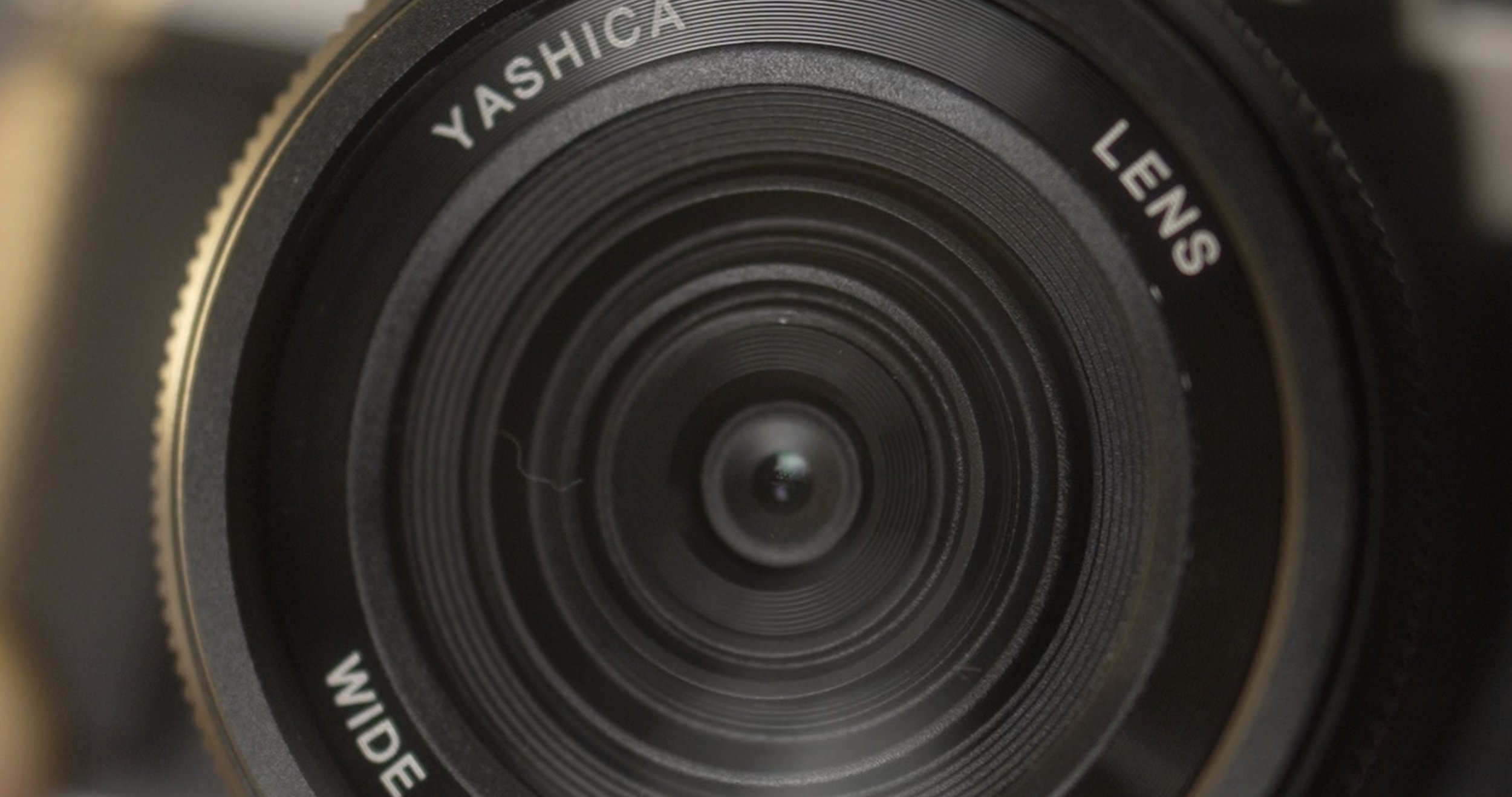
Pinhole lens on the FX-D 300 with a plastic housing intended to look like a much larger, traditional lens
Surely the tiny sensor and lens aren’t THAT big of a deal right? We know that phones can take incredible photos with small sensor, same with drones. You don’t need full frame to take good images, right?
While all of the previous sentence is true - absolutely ZERO applies to the Yashica FD-D 300. It DOES NOT take good photos. It barely takes usable photos. Grain and noise are turned up to 11, and even though it boasts 50MP (and if you are to believe the resolution metadata, it actually does shoot in 50MP) the photos look like they came out of a Gen 1 iPhone. The original one with rounded corners and a black bar of on the bottom (back when iPhones were truly indestructible, I ran my gen 1 iPhone over with a 4runner and it still turned on).
Dont’ even worry about the 4k video. It looks awful too, with less perceived detail than even a Lumix G7.
Just take a look at some of the sample photos below. Would you consider these $350 worthy?



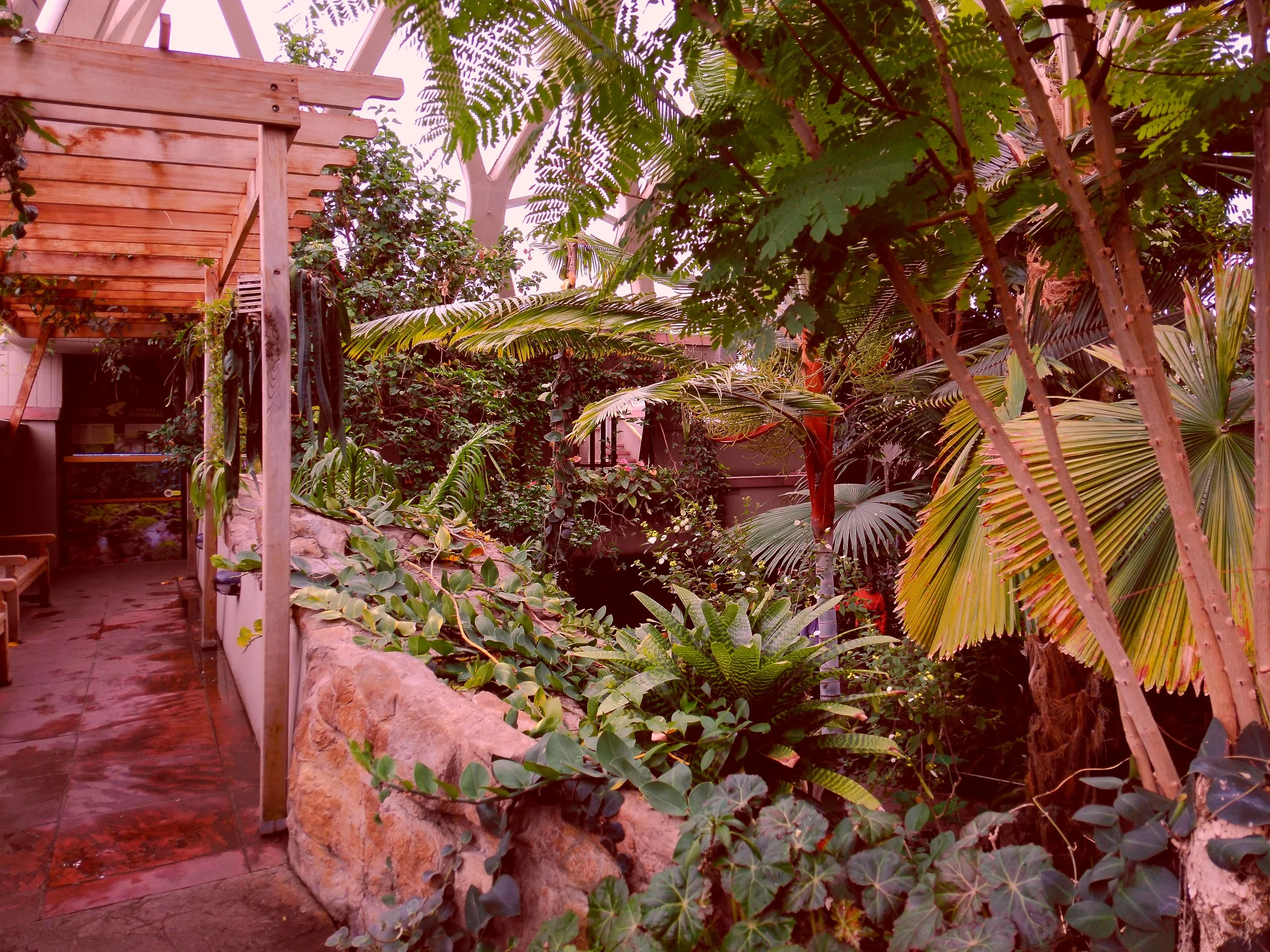
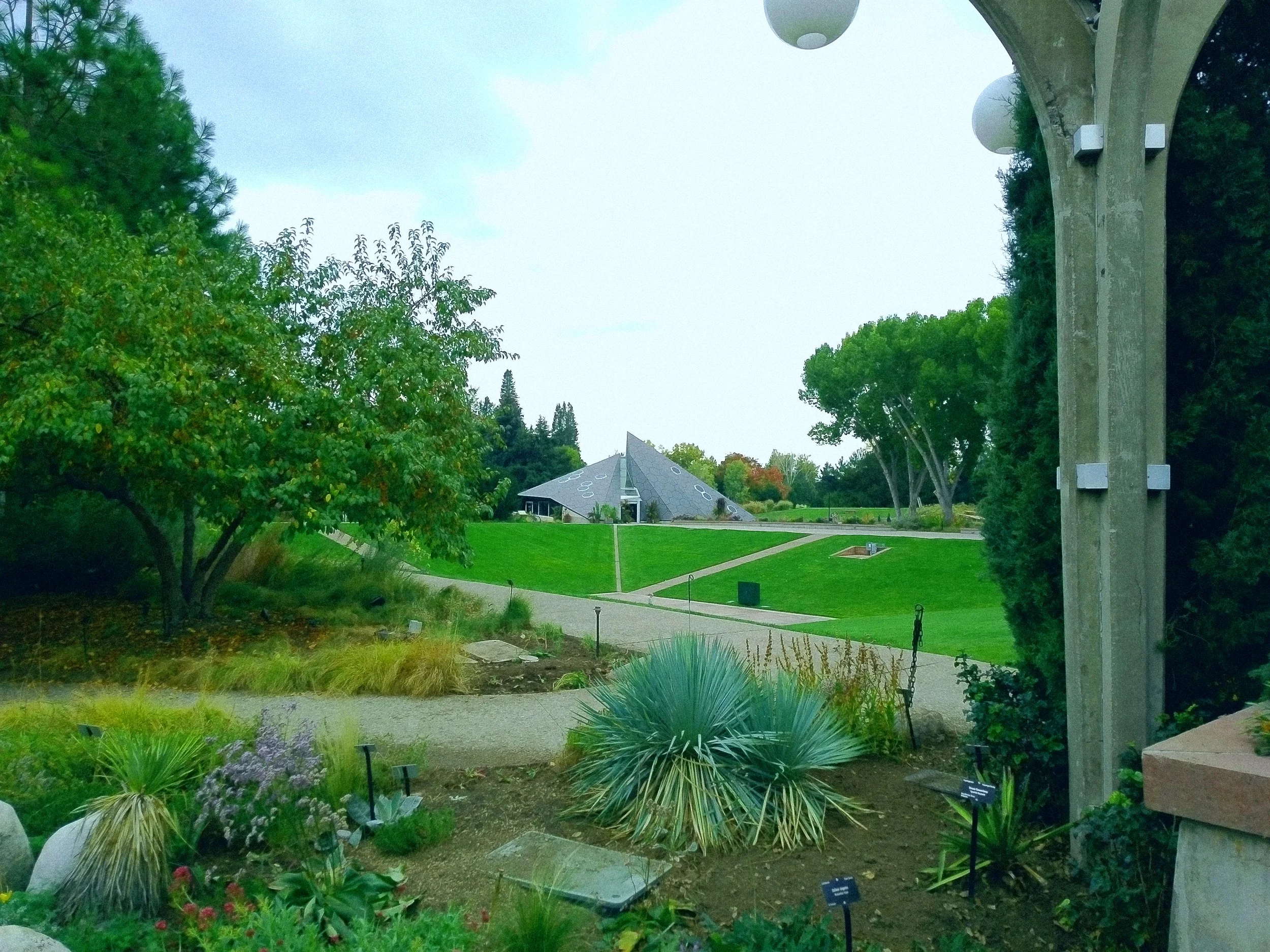


Okay, I’ll admit - not all of these are horrible. I’d like to think that the good ones are because I’m a half-decent photographer. But if you zoom in to any of them, you’ll pretty quickly see how soft and fuzzy everything is. This isn’t 50MP level of detail.

zoomed in sample image from Yashica FX-D 300, approximately 200% zoom
Colors and film simulations don’t save it either
Okay, maybe the film simulations are really good then? After all, there are plenty of low-resolution cameras that are popular becuase they have great film simulations (I’m talking to you Leica D-Lux 7).
Well, don’t hold your breath. Color profiles suck here too. Yashica boasts a whole host of different film simulations, but only a couple are maybe usable. Every other one is just a heavy color filter or the vibrant slider set to +1000.
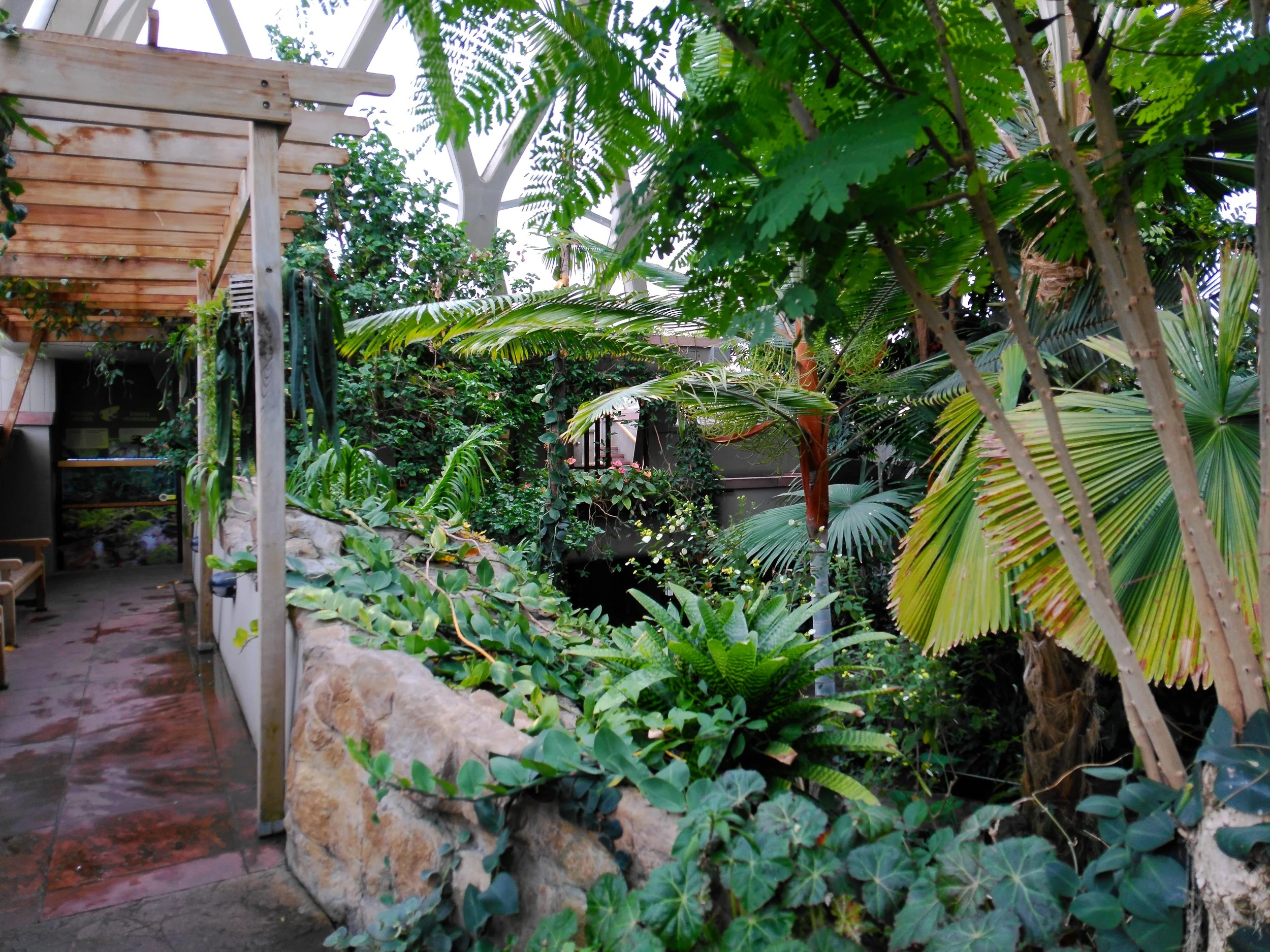

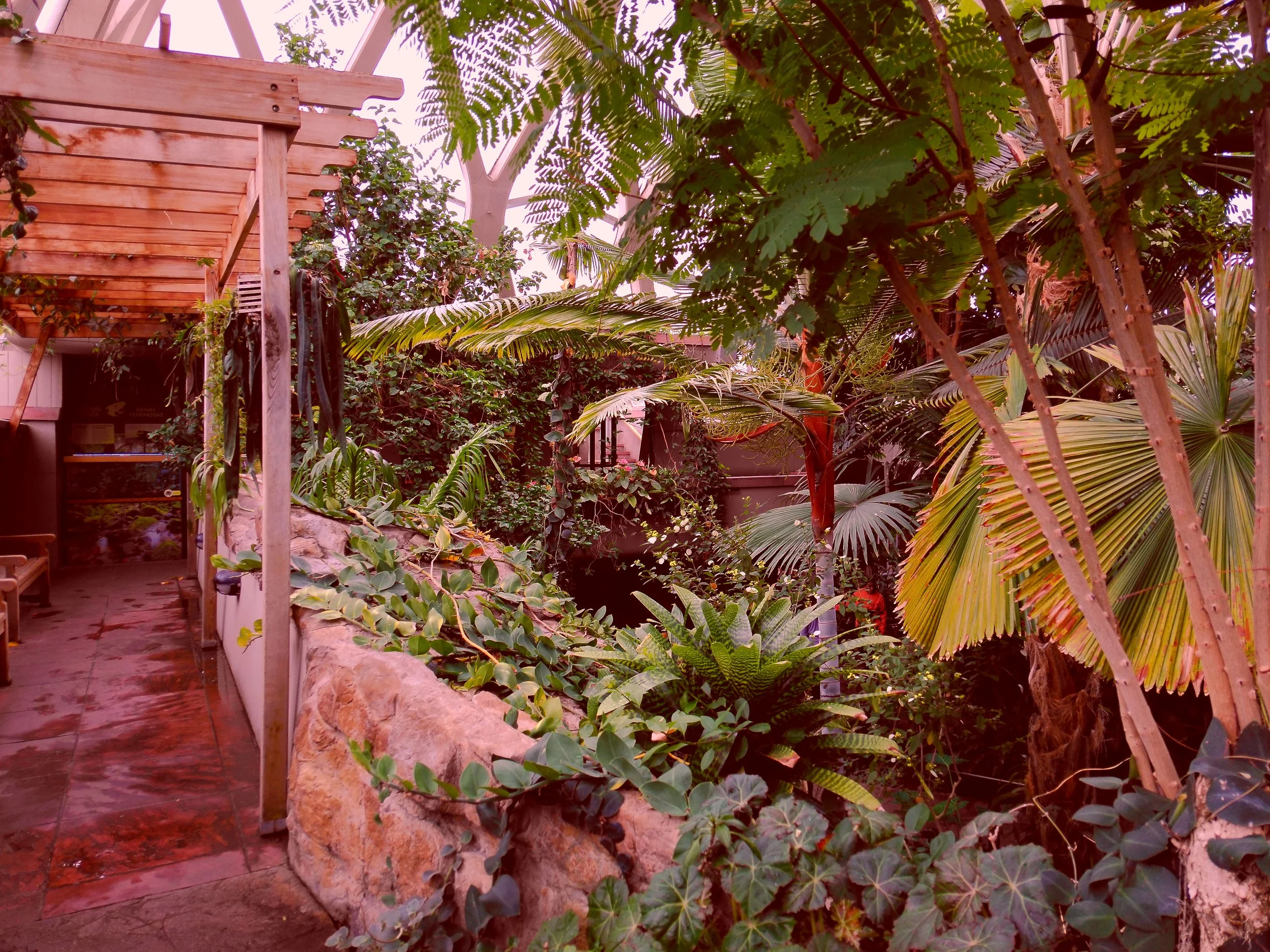
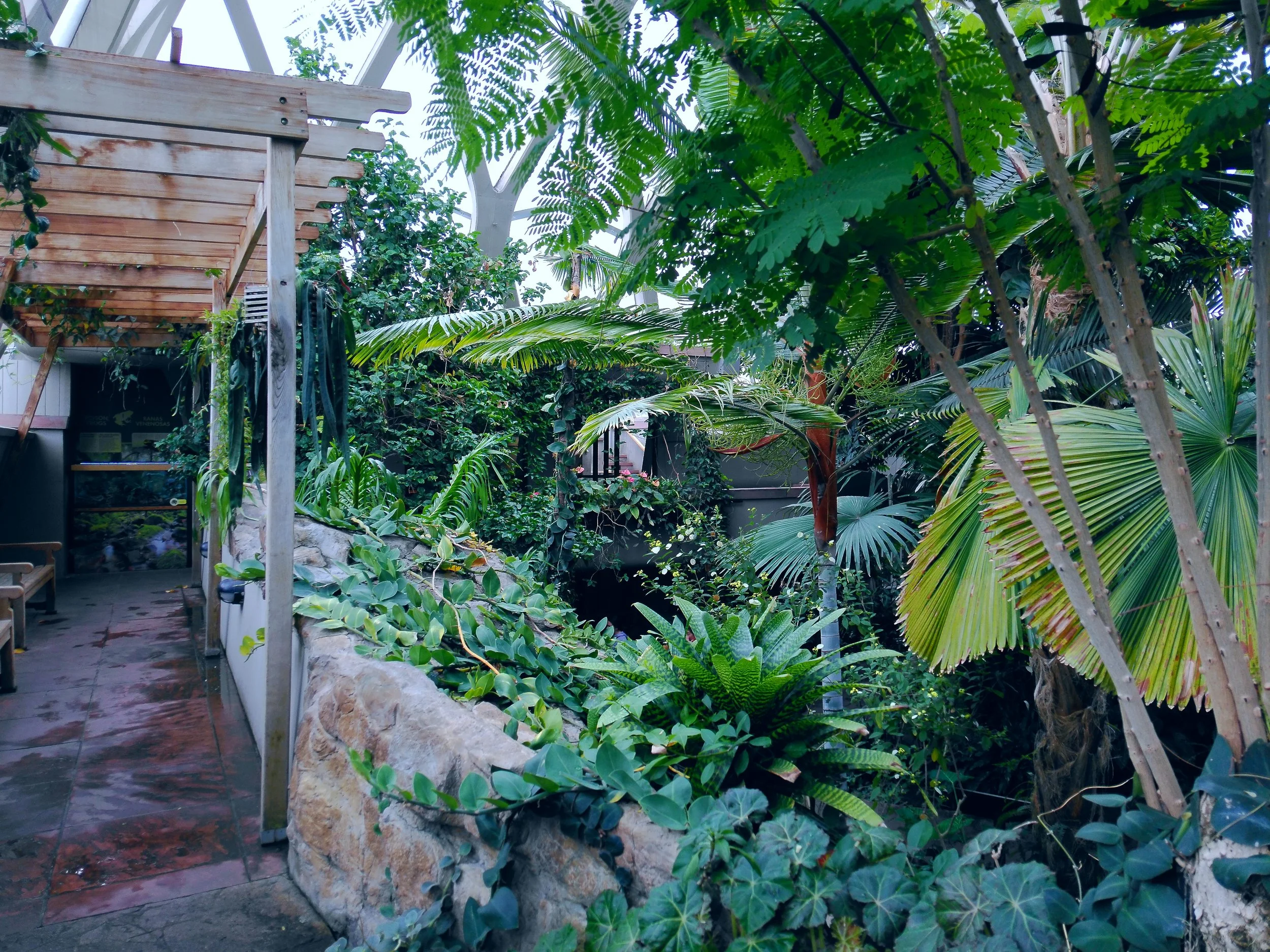
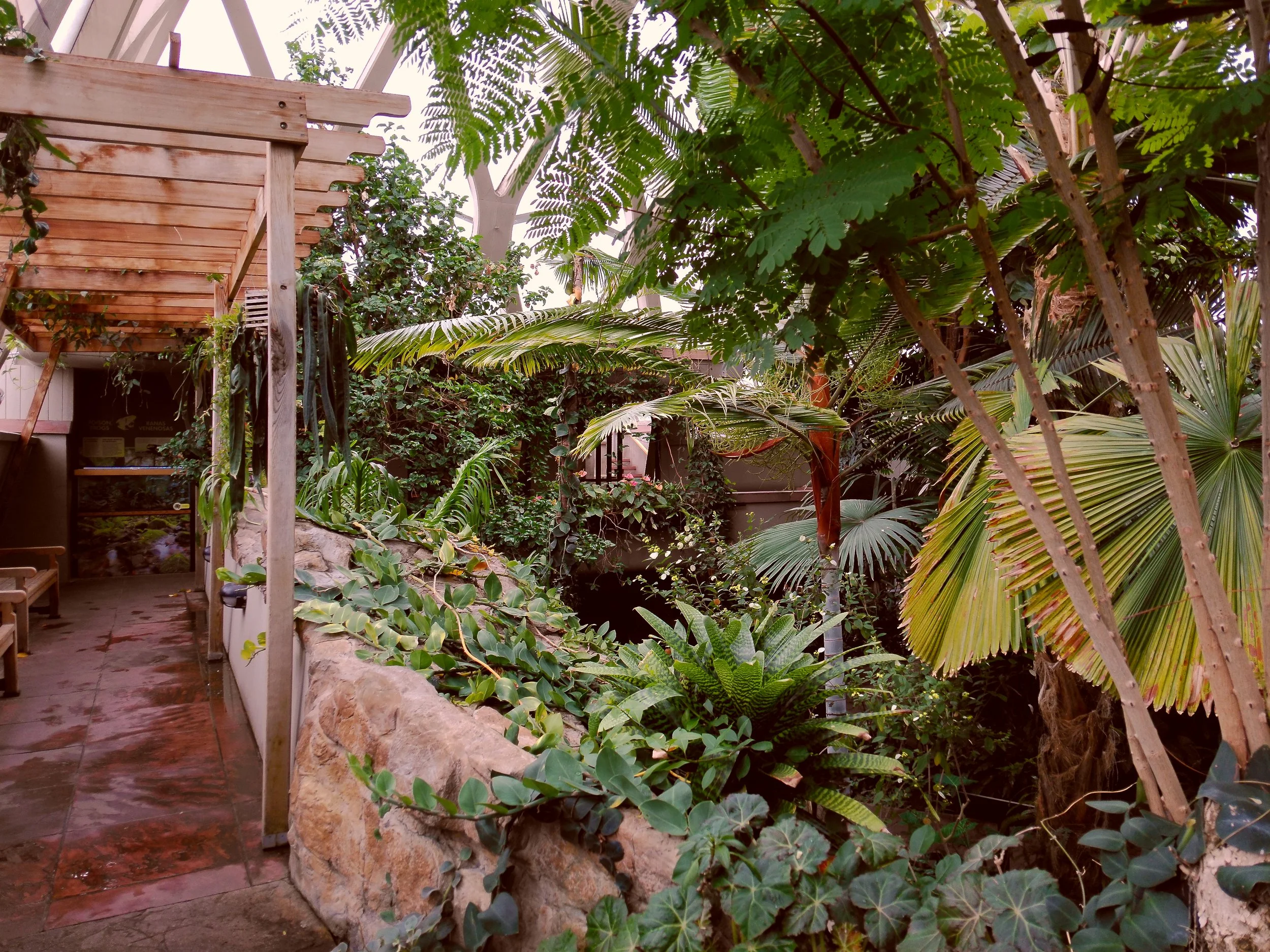
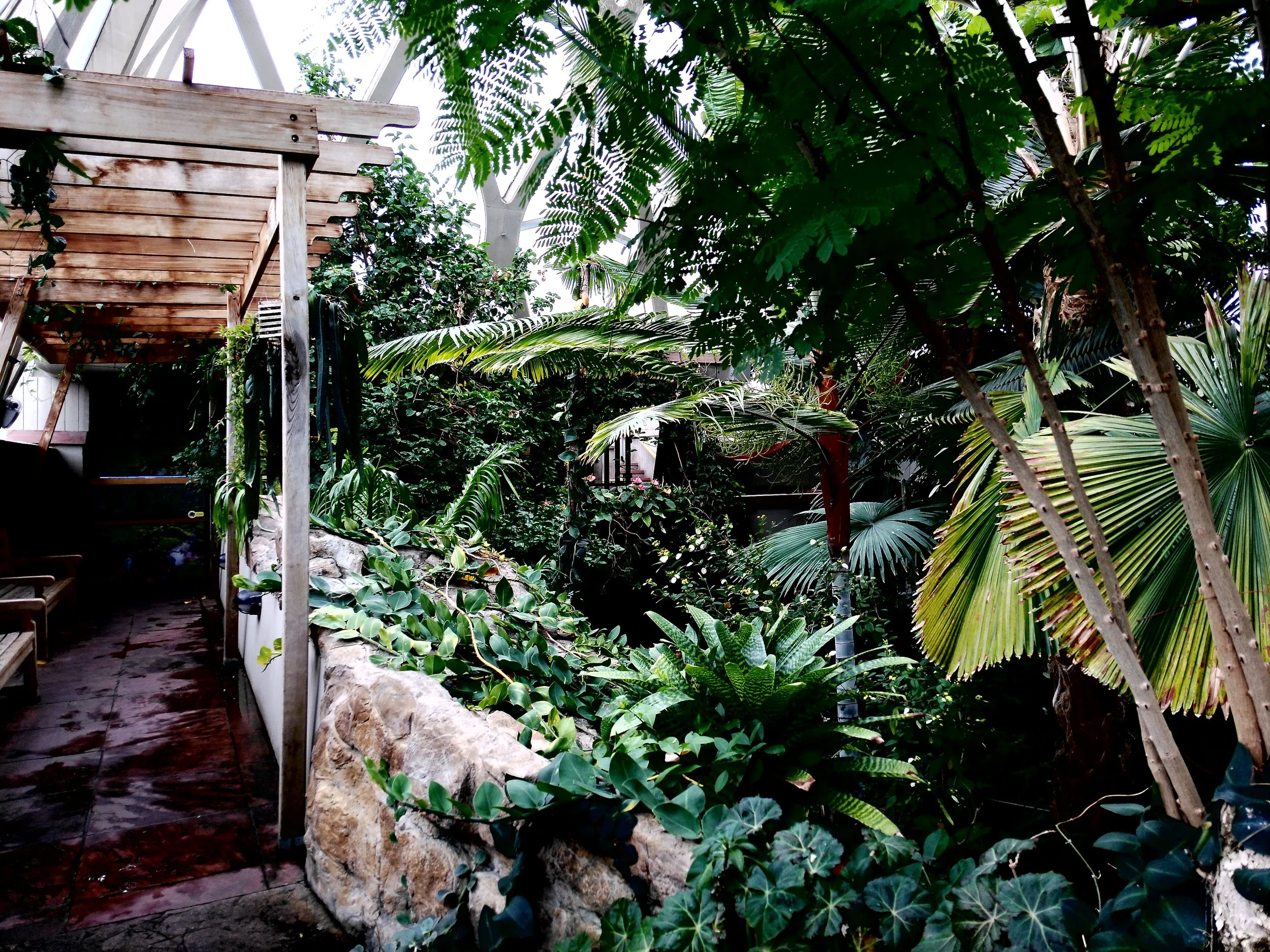
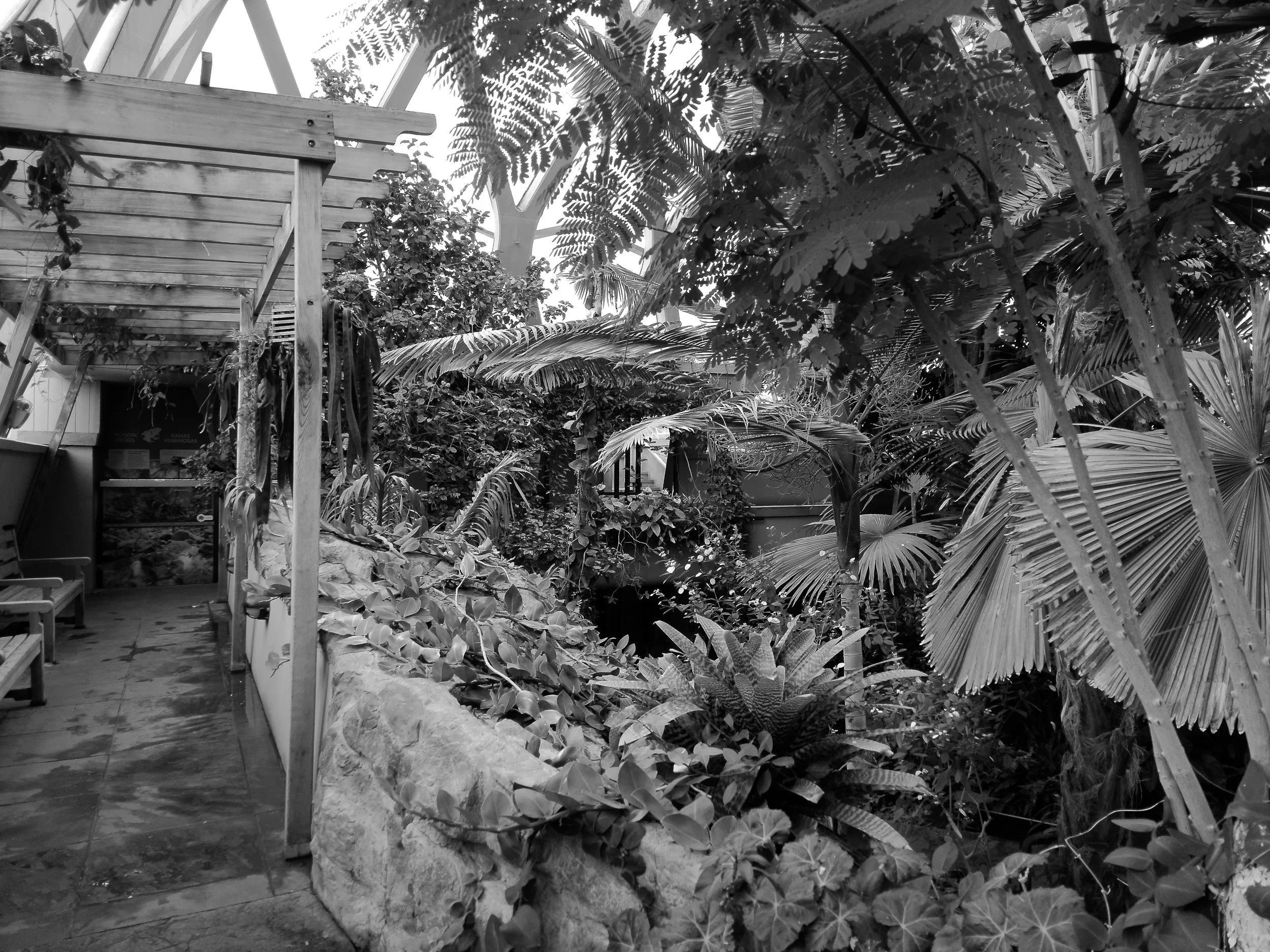
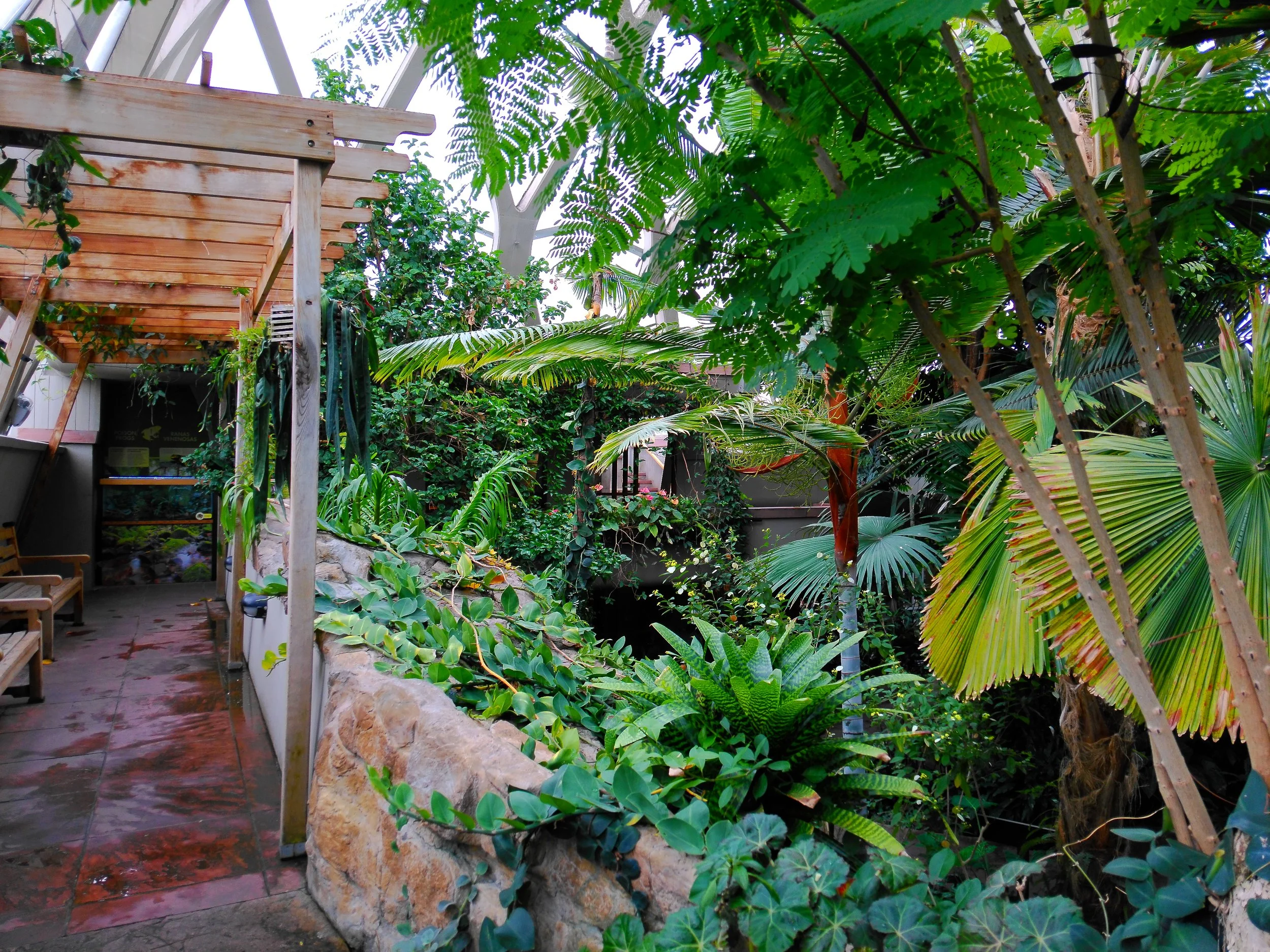
I’ll give credit where credit is due - the black and white sims are pretty good, and I was able to get some decent photos out of it. But it’s definitely not worth buying JUST for the black and white sims. Compared to other well-known black and white profiles, or even the Fuji basic monochrome profile, Yashica’s black and white is just…. fine.
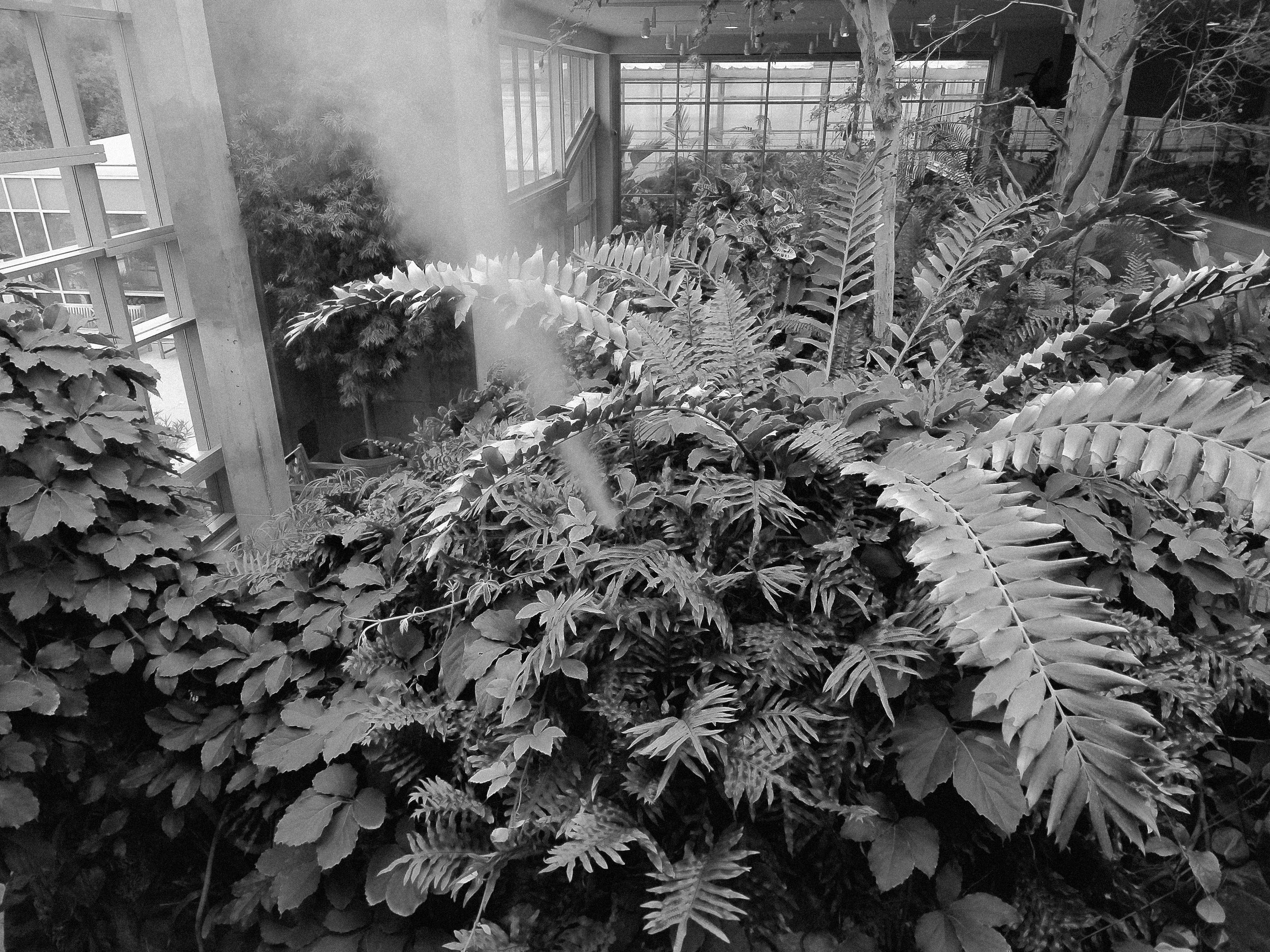
Black and white image taken on Yashica FX-D 300
What the heck is the point?
So why does this camera exist? Probably for the same reason that any Yashica exists after 2001 - money, and to capitalize on a nostalgic name.
The short of it is this: don’t buy this camera. Even as an early kickstarter backer, I don’t think this camera is worth the money. And DEFINITELY not now when Yashica is asking for nearly $500 US for it.
If you’ve made it all the way to the end of this blog, then I have only one favor to ask: please watch, like, and comment on the video above so it does well, and MAYBE… just maybe… I’ll be able to claw some of my wasted money back.
Oh, and my offer in the video still stands - if you want the Yashica FX-D 300, I will literally sell it to you for $20 + shipping. Comment in the video if you want to take me up on that offer and experience the true awfulness of the Yashica FX-D 300.